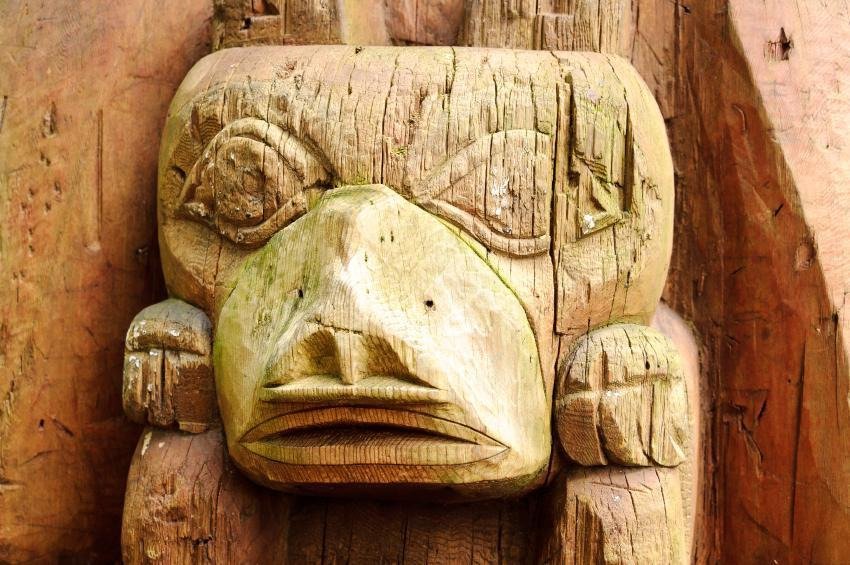

Sitka National Historical Park, often referred to as the site of the 1804 Battle of Sitka, is a vibrant testament to both the native Tlingit people and the Russian settlers. This park offers visitors a unique glimpse into the cultural heritage of Alaska through its well-preserved totem poles and the Russian Bishop’s House, one of the oldest surviving examples of Russian colonial architecture in the region.
Exploring the Park
As you wander through the lush rainforest setting, the park reveals its historical significance through interpretive displays and the restored totem poles that line the scenic coastal trails. These trails not only provide a peaceful walking experience but also feature educational signage that enhances understanding of the Tlingit culture and the area's natural history.
The Visitor Center is a resource for those looking to deepen their knowledge of the site’s history with exhibits and films detailing the pivotal 1804 conflict and the subsequent impacts on the local indigenous populations. The center also offers guided tours, which are highly recommended to gain deeper insights from knowledgeable local guides.
For those interested in wildlife, the park's coastal environment supports a diverse range of animal species, from sea otters to bald eagles, adding an unexpected bonus to your historical exploration. Whether you're a history enthusiast or a nature lover, Sitka National Historical Park presents a rich tapestry of stories and scenic beauty that captures the essence of Alaska’s past and present.