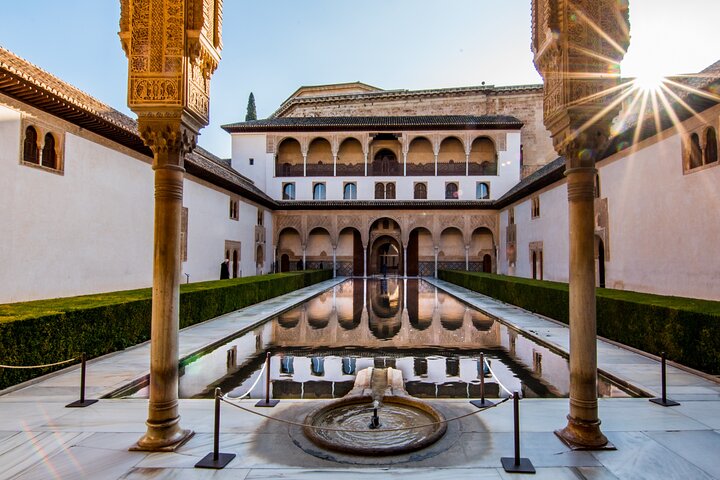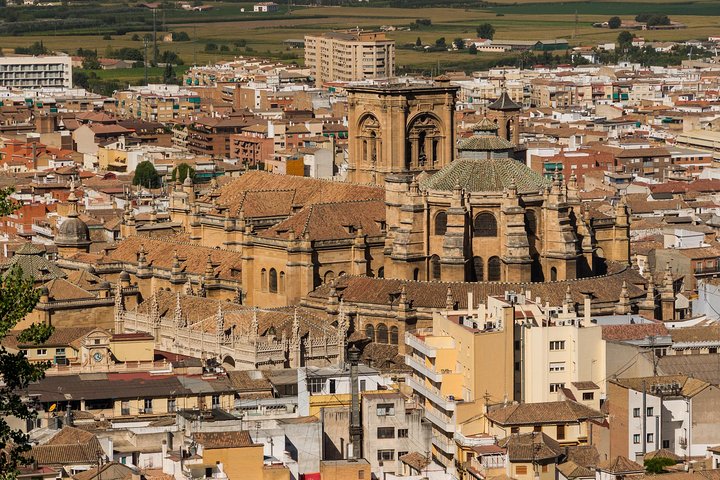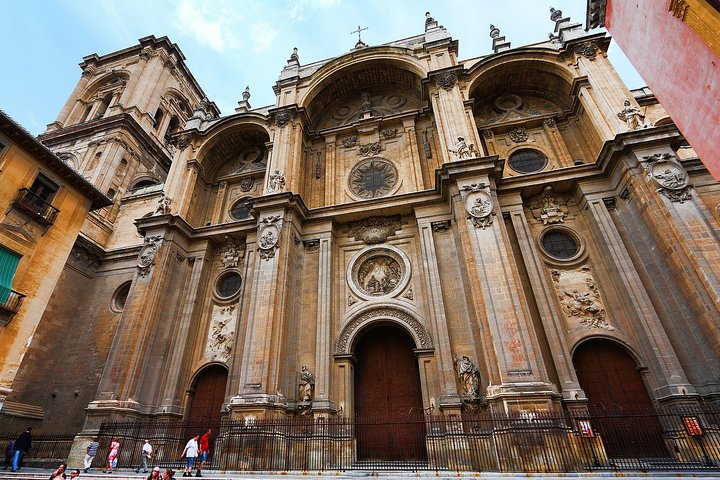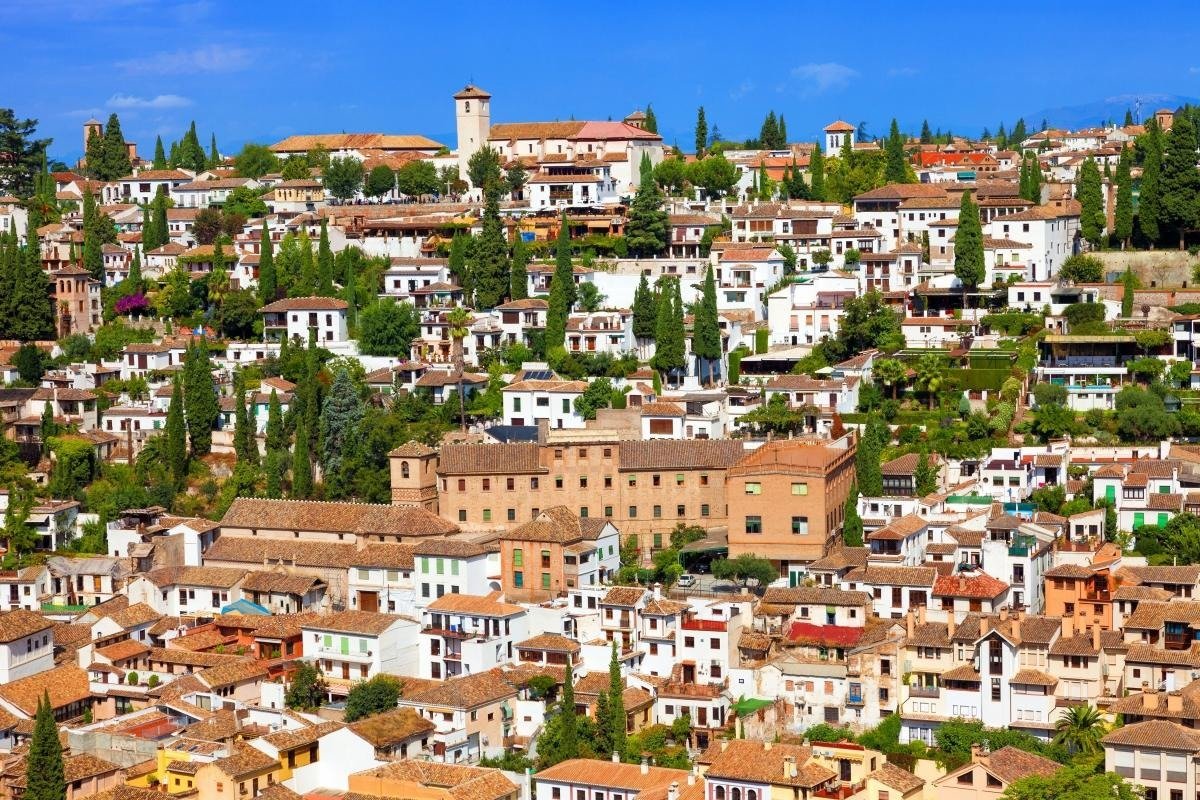

The Albaicín, a historic district in Granada, is renowned for its medieval Moorish past, winding cobbled streets, and whitewashed houses. This area, declared a UNESCO World Heritage site, captures the essence of its centuries-old Islamic heritage through its architecture and layout, which has been largely preserved since the Reconquista.
Cultural Significance
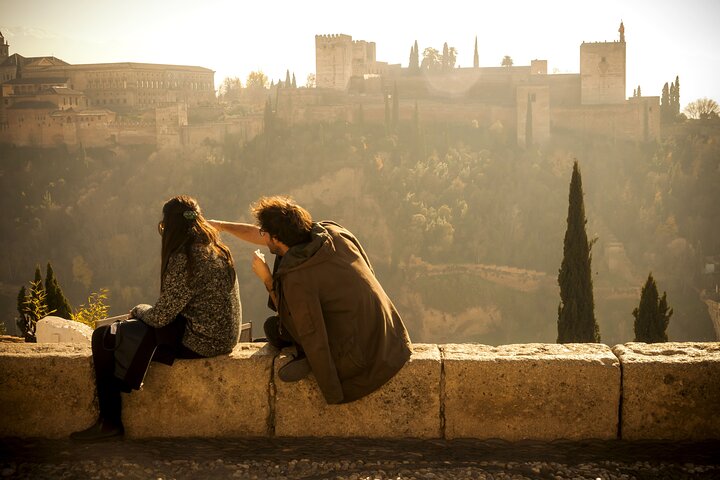
The heart of Albaicín offers a deep dive into Andalusian history with its narrow lanes and traditional Carmen houses, featuring secluded gardens and vibrant tiled courtyards. Visitors are often drawn to the Mirador de San Nicolás, where the view of the Alhambra palace against the backdrop of the Sierra Nevada is breathtaking. The plaza is typically alive with the sounds of flamenco music, adding a layer of cultural immersion through its art.
Historical landmarks such as the Church of San Salvador, built on the site of a former mosque, showcase the complex layers of Albaicín’s religious history. The district's location opposite the Alhambra speaks to its historical importance, offering perspectives that highlight the interplay of cultural influences in Granada.
Exploring the Albaicín also involves discovering hidden gems like the Arab baths, small shops selling artisan crafts, and quaint tea rooms that serve traditional Moroccan mint tea, a nod to the neighborhood’s Moorish roots. The local cuisine reflects a blend of cultures, with tapas bars and Moroccan eateries providing a taste of the region’s culinary diversity.
Every turn in Albaicín brings into view the confluence of past and present, making it a compelling area for those interested in the layers of history and culture that define Granada.