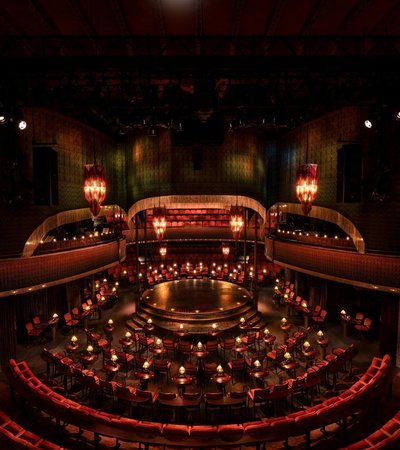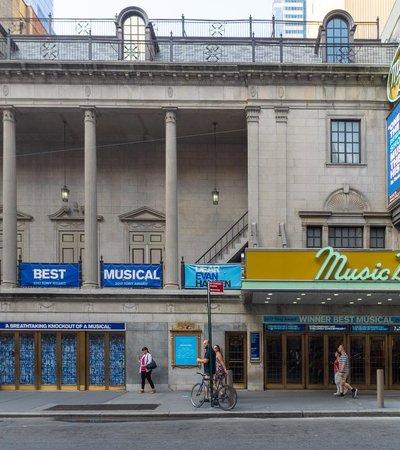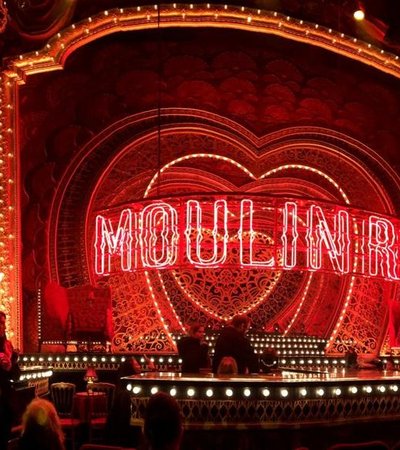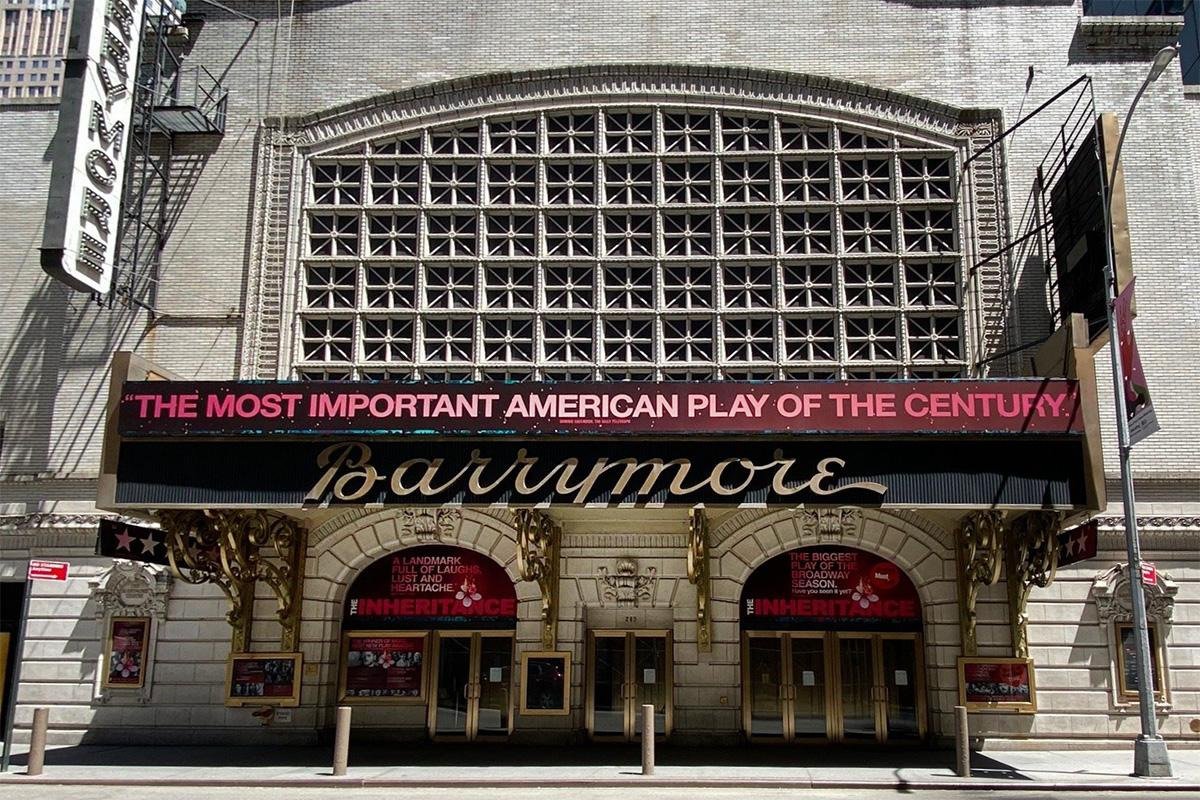

The Barrymore Theatre stands as a beacon of dramatic artistry in New York, showcasing a rich array of Broadway productions since its opening in 1928. Named after the acclaimed actress Ethel Barrymore, the theatre was designed by architect Herbert J. Krapp in a Spanish Revival style, a unique choice amidst the more common neo-classical designs of the era. Its facade and ornate interiors complement the compelling performances staged within, making it a significant cultural landmark in the city.
Architectural and Historical Significance
Upon entering the Barrymore Theatre, visitors are greeted by a grand lobby, adorned with intricate plasterwork and vibrant murals that set the stage for an unforgettable theatrical experience. The auditorium itself, seating approximately 1,096 guests, maintains an intimate ambiance that allows for a profound connection between the performers and their audience. The theatre’s acoustics are finely tuned to enhance the clarity and reach of each line delivered on stage, ensuring that every seat in the house offers a stellar auditory experience.
Over the decades, the Barrymore Theatre has premiered numerous significant plays and musicals, contributing to the vibrancy and dynamism of Broadway. Its stage has been graced by some of the most distinguished actors and actresses, underlining its reputation as a venue where stars are born and theatrical history is made. Each performance at the Barrymore is a link in the long chain of artistic excellence and theatrical tradition.