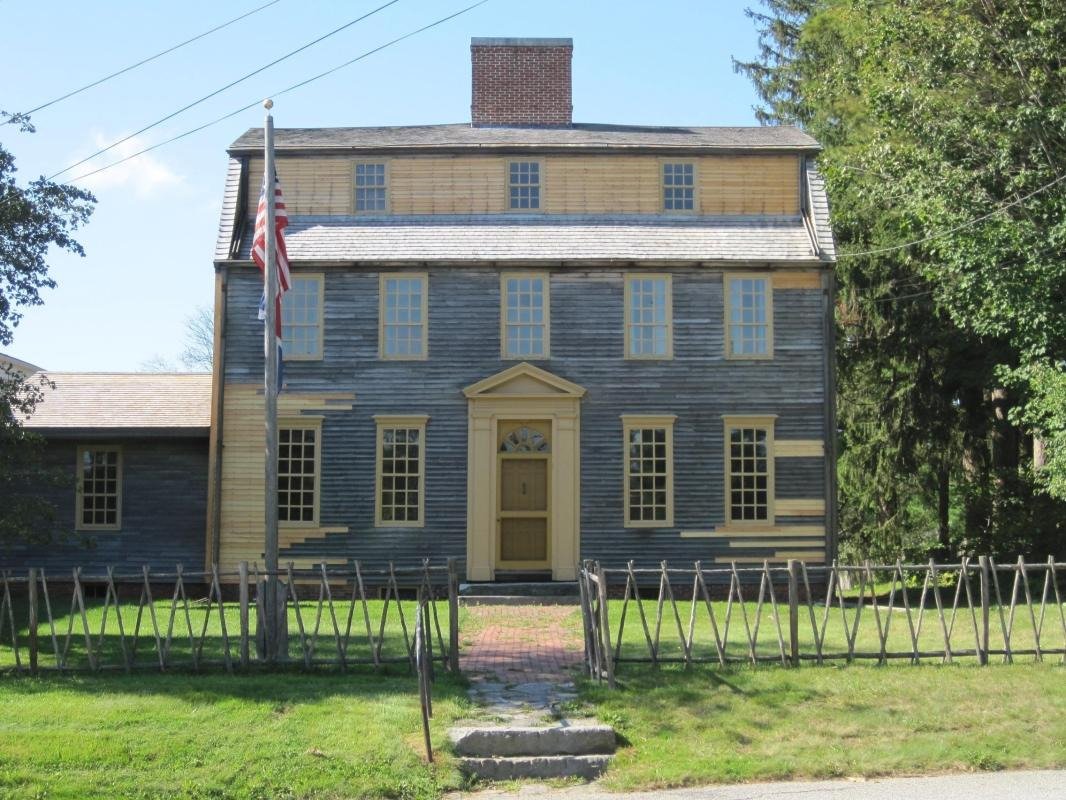

The Tate House Museum stands as a remarkable testament to pre-Revolutionary architecture in Portland, Maine. Built in 1755 for George Tate, a senior mast agent for the British Royal Navy, this historic structure is one of the few remaining examples of Georgian style architecture in the area. Its distinctive clapboard design and elegant symmetry are highlighted by a commanding chimney at each end, making it a striking visual piece.
Architectural and Historical Significance
The house's interior is a treasure trove of colonial artifacts and furnishings, offering a glimpse into the lifestyle of the 18th-century elite in New England. Each room is meticulously restored and furnished to reflect the period, complete with hand-crafted woodwork and imported tiles surrounding the fireplaces. The museum not only showcases household items but also interprets the broader social and economic contexts of the time, including the role of Portland in colonial trade and politics.
Visitors to the Tate House Museum can enjoy guided tours provided by knowledgeable docents. These tours delve into the intricate details of the house’s construction, the Tate family's daily life, and the building’s restoration process. The museum also hosts a variety of seasonal events, lectures, and educational programs that enhance the visitor experience with rich historical insights.
Gardens and Grounds
Surrounding the museum, the beautifully maintained garden and grounds offer a serene retreat with period-appropriate landscaping, including an herb garden that features plants used in the 18th century for culinary and medicinal purposes. This outdoor space provides a perfect backdrop for a leisurely stroll or a quiet moment to reflect on the history encapsulated within the Tate House walls.
