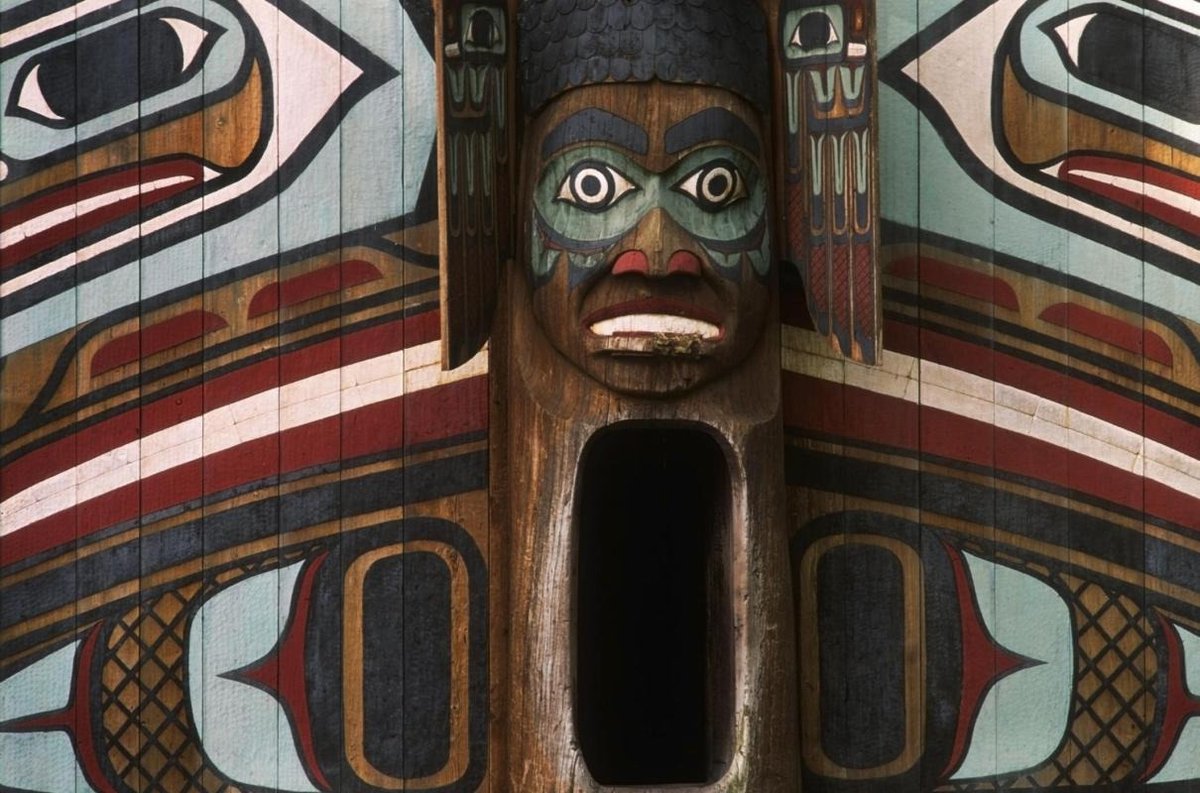

Totem Bight State Historical Park stands as a vivid testament to the rich cultural heritage of Alaska's Native populations, primarily the Tlingit and Haida tribes. Visitors to this park can explore the beautifully restored totem poles, each telling a unique story through its intricate carvings. The park's layout encourages leisurely walks amidst lush greenery, where the air is filled with the crisp scent of the forest.
Historical Significance
The creation of Totem Bight began in the 1930s when the U.S. Forest Service initiated a program to salvage and restore totems found abandoned in nearby villages. Artisans were employed to carve new totems, ensuring that the ancient craft would not be lost. Today, the park features 15 towering totems, each restored or recreated with painstaking attention to detail.
The centerpiece of Totem Bight is the Clan House, a traditional communal house that offers insight into the social organization and customs of the native tribes. The interior of the Clan House is accessible to visitors, providing a closer look at the traditional living arrangements and communal practices of the Tlingit and Haida peoples.
For those interested in the natural aspects of the park, the surrounding rainforest offers a canopy of Sitka spruce and western hemlock, under which a diverse ecosystem thrives. The park's location along the water also provides serene views and the chance to spot local wildlife.