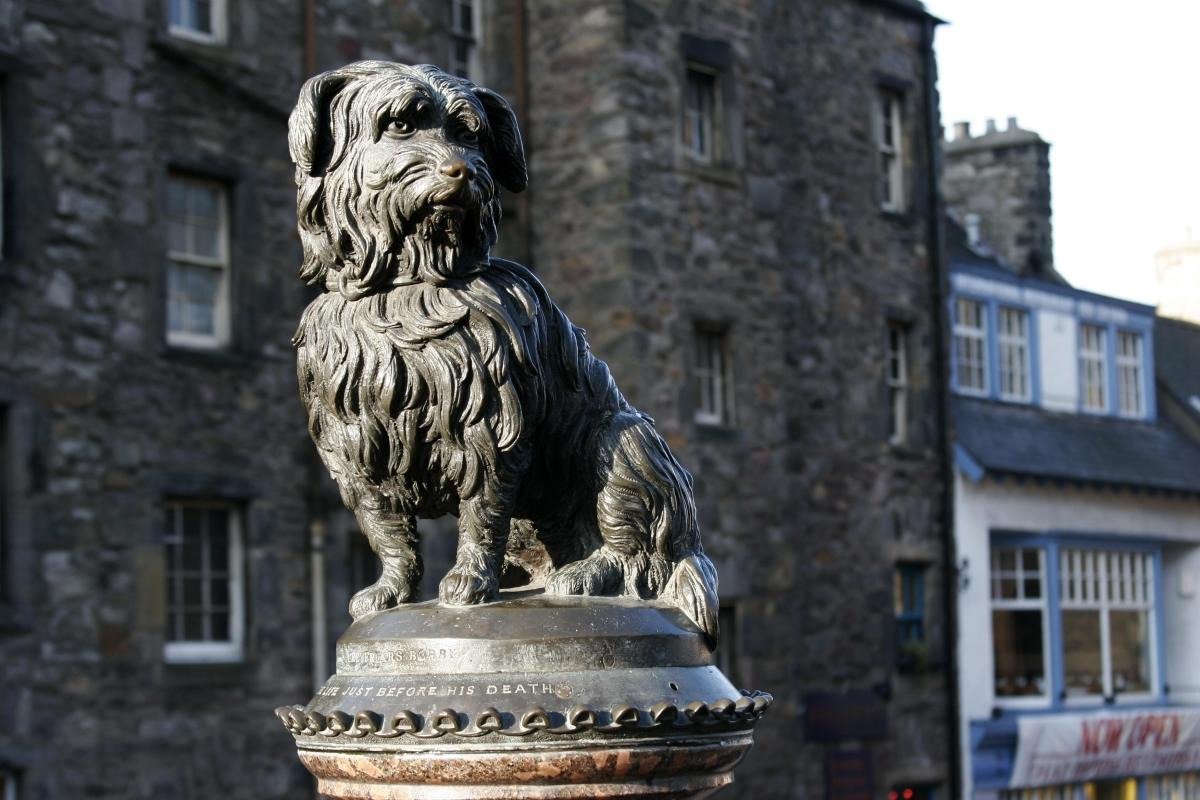

Greyfriars Kirkyard Cemetery in Edinburgh stands as a captivating testament to Scotland's rich history and cultural heritage. Established in the late 16th century, this cemetery has been the final resting place for some of the city's most notable figures, including poets, philosophers, and rebels. Its weathered tombstones and mausoleums narrate stories of Edinburgh's past, making it a profound location for both historians and casual visitors alike.
Historical Significance
The cemetery is famously associated with the National Covenant, signed in 1638, a pivotal event in Scottish history. The Covenanters' Prison, located within the cemetery, is a somber reminder of the religious struggles during that era. Visitors often feel a deep connection to the past as they walk through this section, surrounded by the echoes of Edinburgh's turbulent history.
Architectural and Artistic Highlights
Artistically, Greyfriars Kirkyard is a showcase of funerary architecture, with elaborate stone carvings and intricate wrought ironwork. The craftsmanship displayed in the mortsafes, designed to protect graves from body-snatchers in the 18th century, highlights the social history of the period when medical science was in a fierce battle with superstition and religion.
Pop Culture Connection
The cemetery also touches the hearts of literary fans around the world through its connection to J.K. Rowling’s Harry Potter series. The grave of Thomas Riddell, which may have inspired the name of the dark wizard Tom Riddle, draws numerous fans, adding a layer of modern mythos to the historic site.
Whether one is drawn by the allure of its historical gravitas, architectural beauty, or literary ties, Greyfriars Kirkyard offers a unique glimpse into the soul of Edinburgh through the ages.