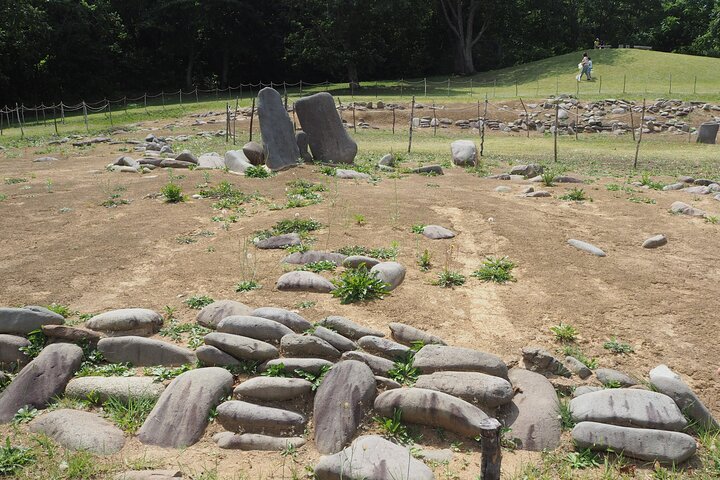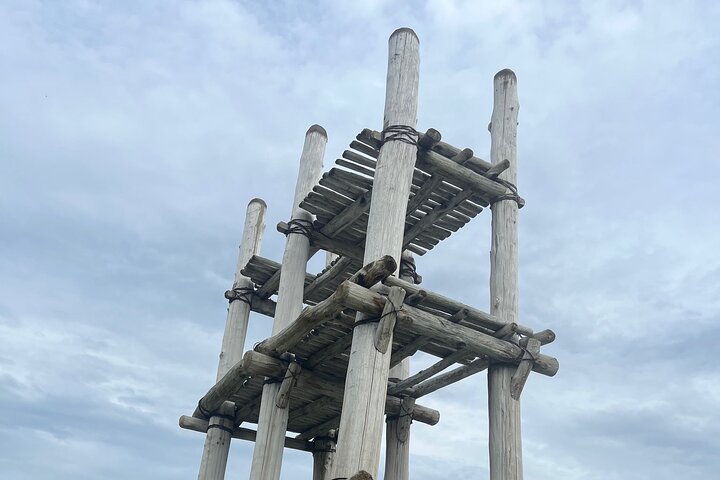

The San'nai-Maruyama Special Historical Site in Aomori is a significant archaeological location that provides an immersive glimpse into Japan’s prehistoric Jomon period, dating back to approximately 3900 to 2200 BCE. This expansive site was discovered in 1992 during a survey for a new baseball stadium, leading to its preservation and study.
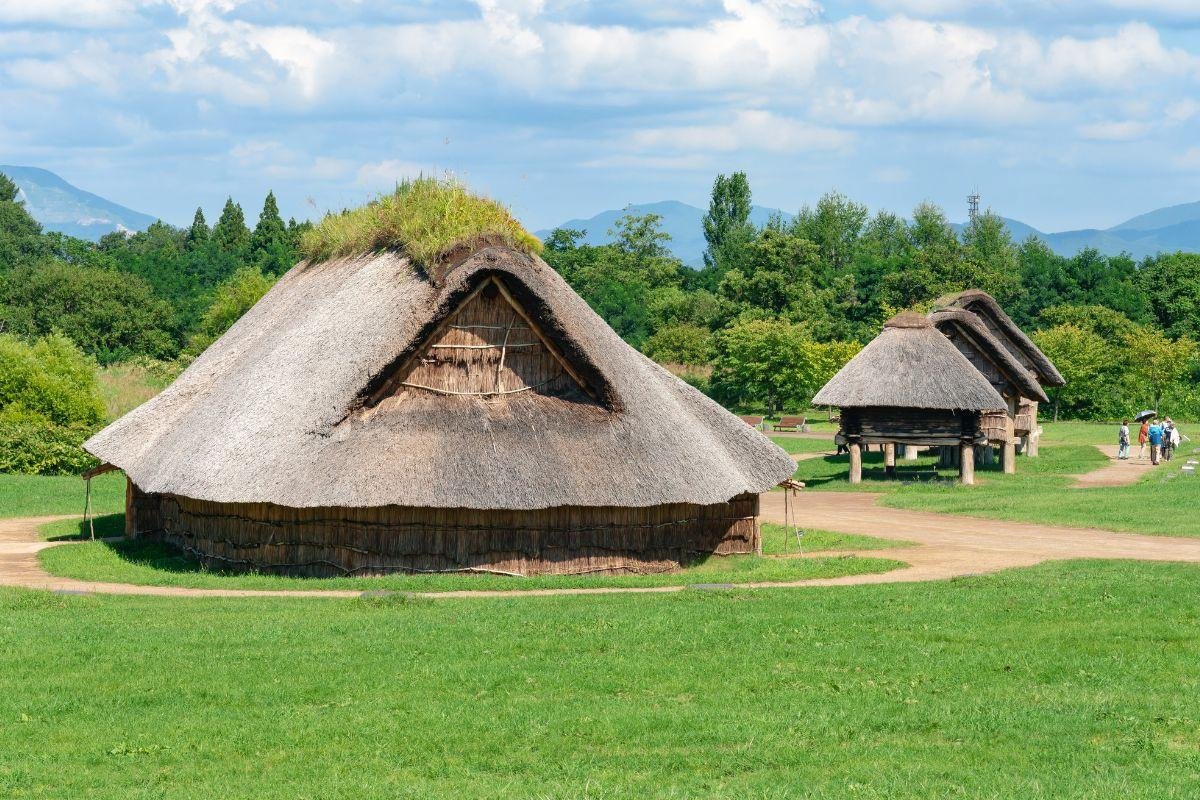
Visitors to San'nai-Maruyama can explore the meticulously reconstructed dwellings, including long houses and pit dwellings, which paint a vivid picture of life during the Jomon period. The site is distinguished by its large scale and the quantity of discovered artifacts, including pottery, stone tools, and jade ornaments, which are thought to indicate a highly developed culture with complex social structures.
Interactive Exhibits and Onsite Museum
An onsite museum enhances the visitor experience with detailed displays and explanations of the archaeological findings. The exhibits are designed to be interactive, offering hands-on experiences such as pottery making and weaving, using traditional Jomon techniques. This direct engagement helps visitors connect with the ancient people who once thrived in this area.
Throughout the year, San'nai-Maruyama hosts various cultural events and festivals that celebrate and honor the Jomon period’s heritage. These events provide a deeper understanding of the site’s historical significance and promote the preservation of ancient traditions.